Anti-Reflux Diet: A Comprehensive Guide (Updated 03/08/2026)
Navigating GERD requires informed choices; readily available anti-reflux diet PDFs offer structured guidance, empowering individuals to manage symptoms effectively through dietary adjustments․
Understanding GERD and Diet
Gastroesophageal Reflux Disease (GERD) arises from stomach acid frequently flowing back into the esophagus, causing irritation and discomfort․ While medication plays a role, dietary modifications are crucial for managing symptoms and improving quality of life․ Numerous resources, including comprehensive anti-reflux diet PDFs, detail how specific foods impact GERD․
These PDFs emphasize that a “one-size-fits-all” approach doesn’t exist; individual triggers vary․ A food diary, often detailed within these guides, helps pinpoint problematic foods․ Understanding the connection between food and reflux is empowering․ PDFs often explain how high-fat foods, for example, delay stomach emptying, increasing acid exposure․
Reliable PDFs will also outline the benefits of incorporating lean proteins, vegetables, and whole grains․ They’ll stress that dietary changes, alongside lifestyle adjustments, are a cornerstone of GERD management, offering a proactive path towards symptom relief and long-term digestive health․
The Role of Diet in GERD Management
Diet profoundly influences GERD symptoms, acting as both a potential trigger and a powerful management tool․ Anti-reflux diet PDFs highlight this duality, emphasizing that dietary changes aren’t a cure, but a vital component of a broader strategy․ These resources detail how specific foods can exacerbate or alleviate acid reflux․
The core principle revolves around reducing stomach acid production and minimizing esophageal irritation․ PDFs often categorize foods into “avoid” and “include” lists, guiding individuals toward choices that promote digestive health․ They explain how foods high in fat, spice, or acidity can relax the lower esophageal sphincter, allowing acid to flow back up․
Effective PDFs will also underscore the importance of mindful eating habits – smaller, more frequent meals, avoiding late-night eating – alongside specific food recommendations․ Ultimately, a well-structured anti-reflux diet, as detailed in these guides, empowers individuals to take control of their GERD symptoms․
Identifying Trigger Foods: The Food Diary Approach
A cornerstone of any successful anti-reflux diet is pinpointing individual trigger foods, and a food diary is the most effective method․ Many anti-reflux diet PDFs emphasize this personalized approach, recognizing that sensitivities vary greatly․
These PDFs typically provide diary templates, prompting users to meticulously record everything consumed, alongside any experienced symptoms – heartburn, regurgitation, bloating, etc․ Detailed notes on meal times, portion sizes, and even stress levels are encouraged for a comprehensive picture․
Analyzing the diary over several weeks reveals patterns․ Recurring symptoms linked to specific foods strongly suggest a trigger․ Reliable PDFs advise eliminating suspected foods for a period, then reintroducing them to confirm the connection․ This systematic process, guided by the diary, empowers individuals to tailor their diet for optimal GERD management․

Foods to Avoid on an Anti-Reflux Diet
Comprehensive anti-reflux diet PDFs detail foods to limit, including high-fat options, spicy dishes, and acidic fruits, to minimize discomfort and reflux episodes․
High-Fat Foods and GERD
Anti-reflux diet PDFs consistently emphasize the detrimental impact of high-fat foods on GERD symptoms․ These foods, due to their slower digestion rate, remain in the stomach longer, increasing the likelihood of acid reflux․
The increased stomach distension from fatty meals also relaxes the lower esophageal sphincter (LES), the muscle that prevents stomach acid from flowing back into the esophagus․ This relaxation allows acid to escape, causing heartburn and other GERD symptoms․
PDF resources detail how fats stimulate the release of cholecystokinin, a hormone that further relaxes the LES․ Understanding this physiological response is crucial for dietary management․ Therefore, individuals following an anti-reflux diet, as outlined in these PDFs, are advised to significantly reduce their intake of high-fat foods to alleviate discomfort and prevent recurring reflux episodes․
Fried Foods: A Major Culprit
Anti-reflux diet PDFs universally identify fried foods as significant GERD triggers, often highlighting them as foods to strictly avoid․ The high-fat content in fried items dramatically increases the risk of acid reflux, exacerbating existing symptoms․
These PDFs explain that the frying process introduces substantial amounts of oil, slowing down gastric emptying and prolonging stomach distension․ This extended digestion time puts increased pressure on the lower esophageal sphincter (LES), promoting acid backflow․
Furthermore, fried foods often stimulate increased acid production, compounding the problem․ Detailed guides within these PDFs offer alternative cooking methods – baking, grilling, or steaming – to minimize fat content and reduce GERD flare-ups․ Consistently, these resources emphasize that eliminating fried foods is a cornerstone of effective dietary management for individuals experiencing acid reflux․
Fatty Meats and Their Impact
Anti-reflux diet PDFs consistently categorize fatty meats – such as high-fat ground beef, pork, and processed meats – as detrimental to GERD management․ These resources detail how the elevated fat content mirrors the impact of fried foods, significantly increasing the likelihood of acid reflux episodes․
The PDFs explain that digesting fatty meats requires extended stomach activity, leading to prolonged acid production and increased pressure on the lower esophageal sphincter (LES)․ This pressure weakens the LES’s ability to prevent stomach acid from flowing back into the esophagus․
Instead, these guides advocate for lean protein sources like chicken breast, turkey, or fish․ They often include specific recommendations for preparation methods – baking, grilling, or poaching – to further minimize fat intake․ Comprehensive anti-reflux PDFs emphasize that substituting fatty meats with leaner alternatives is crucial for symptom relief and long-term digestive health․
Full-Fat Dairy Products: Why They Worsen Reflux
Anti-reflux diet PDFs universally highlight full-fat dairy products – including whole milk, cream, and rich cheeses – as significant GERD triggers․ These resources explain that the high-fat content in these items mirrors the effect of fried foods, substantially elevating the risk of acid reflux․
The PDFs detail how digesting fats slows gastric emptying, increasing stomach pressure and the potential for acid to backflow into the esophagus․ Furthermore, some individuals experience a relaxation of the lower esophageal sphincter (LES) in response to dairy fats, exacerbating reflux symptoms․
These guides recommend opting for low-fat or non-fat dairy alternatives, such as skim milk, yogurt, or reduced-fat cheeses․ They often suggest plant-based milk options like almond or soy milk as suitable substitutes․ Comprehensive anti-reflux PDFs stress that mindful dairy choices are essential for managing GERD and minimizing discomfort․
Spicy Foods and GERD Symptoms
Anti-reflux diet PDFs consistently advise limiting or avoiding spicy foods due to their well-documented ability to worsen GERD symptoms․ These resources explain that capsaicin, the chemical compound responsible for the “heat” in peppers, can irritate the esophageal lining, intensifying heartburn and discomfort․
PDFs detail how spicy foods can also stimulate acid production in the stomach, increasing the likelihood of reflux․ They often emphasize that individual tolerance varies, but even mild spice can trigger symptoms in sensitive individuals․ The guides suggest experimenting with reducing spice levels to identify personal thresholds․
Comprehensive anti-reflux PDFs recommend opting for milder seasonings and flavorings, such as herbs and spices that are less likely to cause irritation․ They stress that avoiding spicy foods is a crucial step in managing GERD and promoting digestive comfort․

Acidic Fruits: A Common Trigger
Anti-reflux diet PDFs frequently highlight acidic fruits as common GERD triggers, explaining their potential to exacerbate symptoms like heartburn and acid indigestion․ These resources detail how the high acidity can irritate the esophageal lining, particularly when the lower esophageal sphincter (LES) is weakened or malfunctioning․
PDFs often provide lists of fruits to be cautious with, including common culprits like oranges, grapefruits, pineapples, and strawberries․ They emphasize that while fruits are generally healthy, their acidity can worsen reflux in susceptible individuals․ The guides suggest monitoring personal reactions to different fruits․
Comprehensive anti-reflux PDFs recommend consuming less acidic fruit options like bananas, melons, and pears in moderation․ They stress that understanding individual triggers is key, and a food diary can help pinpoint which acidic fruits cause problems․
Citrus Fruits and Acid Reflux
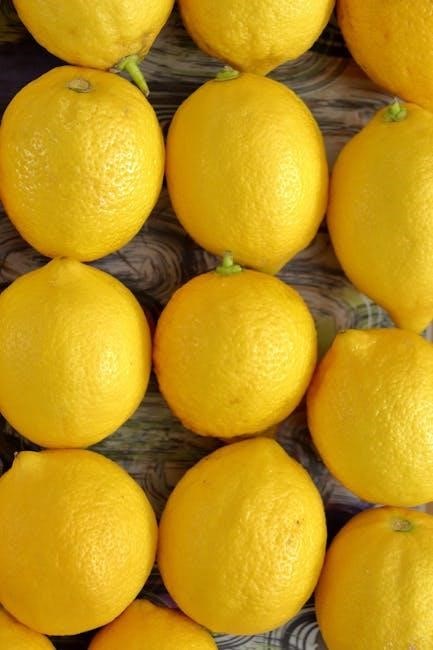
Anti-reflux diet PDFs consistently identify citrus fruits – lemons, limes, oranges, and grapefruits – as significant contributors to acid reflux symptoms․ These PDFs explain that the high citric acid content stimulates increased stomach acid production, potentially overwhelming the lower esophageal sphincter (LES) and causing acid to flow back into the esophagus․
These resources often detail how citrus juices are particularly problematic due to their concentrated acidity․ They advise individuals with GERD to limit or avoid citrus fruits, especially on an empty stomach or before bedtime․ PDFs frequently suggest alternatives like less acidic fruits, such as bananas or melons․
Detailed guides emphasize the importance of individual tolerance; some individuals may experience more severe reactions than others․ A food diary, as recommended in many PDFs, is crucial for identifying personal citrus fruit triggers and adjusting dietary intake accordingly․
Tomatoes and Tomato-Based Products
Anti-reflux diet PDFs universally flag tomatoes and tomato-based products – including sauces, ketchup, and juice – as common GERD triggers․ These resources explain that tomatoes possess high acidity, which can relax the lower esophageal sphincter (LES), facilitating acid reflux․ The acidity irritates the esophageal lining, exacerbating symptoms like heartburn and regurgitation․
PDFs often highlight that processed tomato products, due to added sugars and preservatives, can worsen reflux․ They recommend opting for smaller portions or avoiding tomatoes altogether during symptom flare-ups․ Many guides suggest alternatives like pureed carrots or bell peppers for flavoring dishes․
These documents stress the importance of personalized dietary adjustments, noting that individual sensitivity to tomatoes varies․ Maintaining a food diary, as detailed in numerous PDFs, helps pinpoint tomato-related triggers and guide dietary modifications for optimal GERD management․

Foods to Include in an Anti-Reflux Diet
Anti-reflux diet PDFs emphasize lean proteins, vegetables, and whole grains as beneficial choices, promoting digestive health and minimizing acid reflux symptoms effectively․
Lean Proteins for Digestive Health
Anti-reflux diet PDFs consistently highlight the importance of incorporating lean protein sources into your meal plan․ Unlike fatty meats, lean proteins are less likely to trigger acid reflux episodes, contributing to improved digestive comfort․ Excellent choices include skinless chicken or turkey breast, fish – particularly baked or grilled varieties – and plant-based proteins like tofu․
These protein sources are easier to digest, reducing the pressure on the lower esophageal sphincter (LES)․ This valve prevents stomach acid from flowing back into the esophagus․ PDFs often suggest preparing these proteins through methods like baking, grilling, or poaching, avoiding frying which adds unnecessary fats․
Portion control is also key; while lean proteins are beneficial, consuming large quantities at once can still exacerbate symptoms․ Distributing protein intake throughout the day with smaller, more frequent meals is generally recommended․ Many resources emphasize that prioritizing lean proteins is a cornerstone of a successful anti-reflux dietary approach․
Vegetables: Gentle on the Stomach
Anti-reflux diet PDFs universally recommend a generous intake of vegetables, emphasizing their gentle impact on the digestive system․ However, not all vegetables are created equal; certain varieties are more likely to trigger symptoms than others․ Leafy greens like spinach and kale, along with broccoli, cauliflower, and green beans, are generally well-tolerated and provide essential nutrients․
PDFs often advise avoiding vegetables known to relax the LES, such as mint and onions․ Cooking methods also matter; steaming, boiling, or baking are preferred over frying, which introduces excess fat․ It’s crucial to note individual tolerances vary, and a food diary can help pinpoint specific vegetable triggers․
Many resources suggest starting with smaller portions of new vegetables to assess tolerance․ Prioritizing non-acidic vegetables is a key strategy for minimizing reflux symptoms, making them a vital component of a GERD-friendly diet as detailed in numerous downloadable guides․
Whole Grains: Fiber and Reflux Relief
Anti-reflux diet PDFs consistently highlight the benefits of incorporating whole grains into your meal plan, primarily due to their high fiber content․ Fiber aids digestion and can help absorb stomach acid, potentially reducing reflux episodes․ Excellent choices include brown rice, whole-wheat bread, and quinoa․ These grains offer sustained energy and contribute to overall digestive health․
However, PDFs caution against heavily processed grain products, as these often contain added fats and sugars that can exacerbate GERD symptoms․ Opting for minimally processed options is crucial․ Some individuals may find that even whole grains trigger discomfort, emphasizing the importance of personalized dietary adjustments․
Resources often recommend gradually increasing fiber intake to avoid bloating and gas․ Whole grains, when well-tolerated, serve as a valuable foundation for a GERD-friendly diet, as outlined in many comprehensive PDF guides available online․
The Benefits of Ginger
Many anti-reflux diet PDFs champion ginger as a natural remedy for GERD symptoms, citing its potent anti-inflammatory properties․ Ginger can help soothe the digestive tract and reduce nausea, often accompanying acid reflux․ It’s believed to aid gastric emptying, lessening the chance of stomach acid backing up into the esophagus․
PDF resources suggest incorporating ginger into your diet in various forms – ginger tea, grated ginger in meals, or even ginger chews․ However, moderation is key, as excessive ginger consumption can sometimes cause mild heartburn in sensitive individuals․
These guides often emphasize choosing fresh ginger over processed ginger products, which may contain added sugars or artificial ingredients․ Ginger’s inclusion in a GERD diet, as detailed in numerous downloadable PDFs, reflects its long-standing reputation as a digestive aid․
Oatmeal: A Soothing Breakfast Option
Anti-reflux diet PDFs frequently highlight oatmeal as an excellent breakfast choice for individuals managing GERD․ Its high fiber content helps absorb stomach acid, reducing the likelihood of reflux․ Oatmeal creates a protective layer in the stomach, buffering acid and minimizing irritation to the esophageal lining․
These downloadable guides recommend opting for plain oatmeal, avoiding pre-sweetened varieties loaded with sugars or artificial flavors, which can exacerbate symptoms․ Adding a small amount of fruit like bananas (another GERD-friendly food) or a sprinkle of cinnamon can enhance flavor without triggering reflux․

PDF resources consistently emphasize that oatmeal’s gentle nature makes it easily digestible, lessening the strain on the digestive system․ It’s a comforting and nutritious way to start the day, supporting overall digestive health and minimizing acid reflux episodes․

Lifestyle Adjustments for GERD
Anti-reflux diet PDFs often integrate lifestyle advice; maintaining a moderate weight and eating smaller, frequent meals are key components for effective GERD management;
Maintaining a Moderate Weight
Many anti-reflux diet PDFs emphasize the crucial link between weight and GERD symptoms․ Excess weight exerts increased abdominal pressure, forcing stomach contents upwards and exacerbating acid reflux․ This pressure weakens the lower esophageal sphincter (LES), the muscle that prevents stomach acid from flowing back into the esophagus․
PDF resources often detail how even modest weight loss can significantly reduce reflux frequency and severity․ They may include guidance on healthy eating plans, portion control, and incorporating regular physical activity․ The focus isn’t necessarily about achieving a specific number on the scale, but rather about reducing abdominal fat․
These PDFs frequently highlight that weight management isn’t solely a dietary concern; it’s a holistic lifestyle adjustment․ They may suggest consulting with a healthcare professional or registered dietitian to create a personalized weight loss plan that complements the anti-reflux diet․ Sustainable changes are prioritized over quick fixes, ensuring long-term relief from GERD symptoms․
Eating Smaller, More Frequent Meals
Anti-reflux diet PDFs consistently recommend shifting from large, infrequent meals to smaller, more frequent feedings throughout the day․ This strategy minimizes stomach distension, a primary trigger for acid reflux․ A full stomach increases pressure on the lower esophageal sphincter (LES), making it easier for stomach acid to escape․
These PDFs often suggest aiming for five to six smaller meals instead of the traditional three larger ones․ This approach helps maintain consistent stomach acid levels and prevents overfilling․ Portion control is heavily emphasized, with guidelines on appropriate serving sizes for each meal․
Resources also detail the importance of mindful eating and slowing down during mealtimes․ Thorough chewing aids digestion and reduces the burden on the stomach․ PDFs may include sample meal plans demonstrating how to incorporate smaller, frequent meals into a daily routine, promoting sustained relief from GERD symptoms․
Avoiding Eating Before Bed
A cornerstone recommendation within anti-reflux diet PDFs is to abstain from eating for at least 2-3 hours before lying down․ This practice significantly reduces the likelihood of nighttime acid reflux, a common and disruptive symptom of GERD․ When you recline shortly after eating, gravity no longer assists in keeping stomach acid where it belongs․
These PDFs explain that delaying meals allows the stomach to begin emptying, lessening the volume of acid available to creep upwards․ They often advise finishing dinner at least three hours before bedtime, emphasizing the importance of this timing for optimal symptom control․
Resources may also suggest elevating the head of the bed by 6-8 inches as a complementary measure․ This further utilizes gravity to aid in acid clearance; PDFs frequently highlight that consistent adherence to this rule, alongside other dietary adjustments, yields substantial improvements in sleep quality and overall GERD management․
GERD and Oesophageal Cancer: A Brief Overview
Anti-reflux diet PDFs often briefly address the link between chronic, untreated GERD and an increased risk of oesophageal cancer, urging proactive management․
The Link Between Chronic GERD and Cancer Risk
Prolonged, untreated Gastroesophageal Reflux Disease (GERD) can, over time, elevate the risk of developing oesophageal cancer․ This occurs primarily due to repeated exposure of the oesophageal lining to stomach acid, leading to cellular changes․ Many comprehensive anti-reflux diet PDFs emphasize this connection, highlighting the importance of symptom management not just for comfort, but for long-term health․
These PDFs often explain that Barrett’s oesophagus, a condition where the normal lining of the oesophagus is replaced by tissue similar to the intestinal lining, is a significant precursor to oesophageal adenocarcinoma – a type of oesophageal cancer․ Adhering to a carefully planned anti-reflux diet, as detailed in these resources, can help minimize acid exposure and potentially reduce the progression of these changes․
However, it’s crucial to understand that diet alone isn’t a preventative measure; regular medical check-ups and screenings are vital, especially for individuals with long-standing GERD․ The PDFs serve as a supportive tool, complementing professional medical advice and encouraging proactive lifestyle modifications․

Resources and Further Information (PDF Focus)
Numerous anti-reflux diet PDFs are available online, offering detailed meal plans and food lists to help manage GERD symptoms and improve digestive wellbeing․
Finding Reliable Anti-Reflux Diet PDFs
Locating trustworthy anti-reflux diet PDFs requires careful consideration, as information quality varies significantly online․ Prioritize resources from reputable medical institutions, such as university hospitals, gastroenterology associations, or government health websites․
Look for PDFs created or reviewed by registered dietitians or medical doctors specializing in digestive health․ These professionals ensure the information is evidence-based and aligned with current medical guidelines․ Beware of PDFs promoting restrictive or fad diets lacking scientific backing․
Check the publication date; an updated PDF (like those from 2026, as our guide is) reflects the latest research․ Examine the PDF’s content for clarity, comprehensiveness, and a balanced approach to dietary recommendations․ A good resource will offer practical meal ideas, shopping lists, and guidance on identifying trigger foods․
Avoid PDFs with excessive advertising or those attempting to sell expensive supplements or products․ Free, informative PDFs from established healthcare organizations are generally the most reliable sources for managing GERD through diet․
What to Look for in a GERD Diet PDF
A valuable GERD diet PDF should offer a holistic approach, extending beyond simply listing foods to avoid․ It must detail a practical “foods to eat” plan, providing concrete examples of lean proteins, gentle vegetables, and beneficial whole grains․
Crucially, the PDF should emphasize the importance of personalized trigger food identification, ideally referencing the food diary approach․ Look for guidance on portion control and meal timing – advocating smaller, more frequent meals and avoiding late-night eating․
A comprehensive PDF will also address lifestyle adjustments, such as weight management, and explain the rationale behind dietary recommendations․ It should clearly articulate how specific foods impact the digestive tract and contribute to reflux symptoms․
Finally, ensure the PDF presents information in an accessible and understandable manner, avoiding overly technical jargon․ A well-designed PDF empowers individuals to proactively manage their GERD through informed dietary choices․