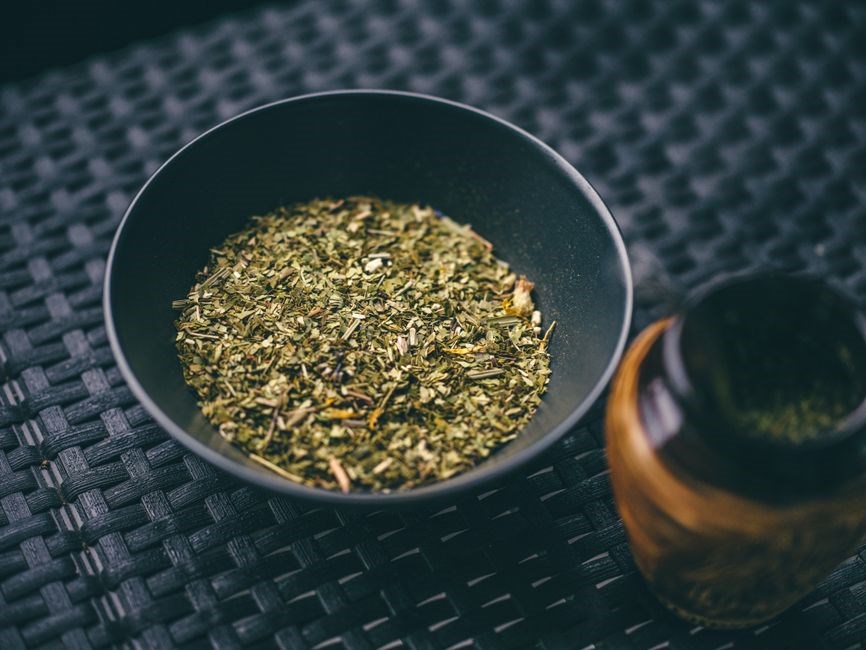
Understanding kratom starts with its dosage. A low dose (0.5–2 g) offers mild stimulation‚ while 2–4 g balances pain relief and mood lift. Higher doses (4–6 g+) shift to sedative effects. Accurate measurement ensures safe‚ effective use. Weigh each dose with a digital scale for consistent results daily!!.
Legal Status and Regulatory Overview
The evolving legal landscape reflects a tension between potential therapeutic benefits and safety concerns. While the DEA has not scheduled kratom‚ several states have enacted bans or age restrictions‚ and the FDA continues to monitor adverse events. Internationally‚ the WHO has called for more research before formal scheduling‚ and Southeast Asian countries maintain strict controls to prevent misuse. Consumers should verify local statutes‚ as some municipalities prohibit retail sales outright. The regulatory environment remains fluid‚ and staying informed is vital for dailyok use.
Understanding Kratom Potency and Strains
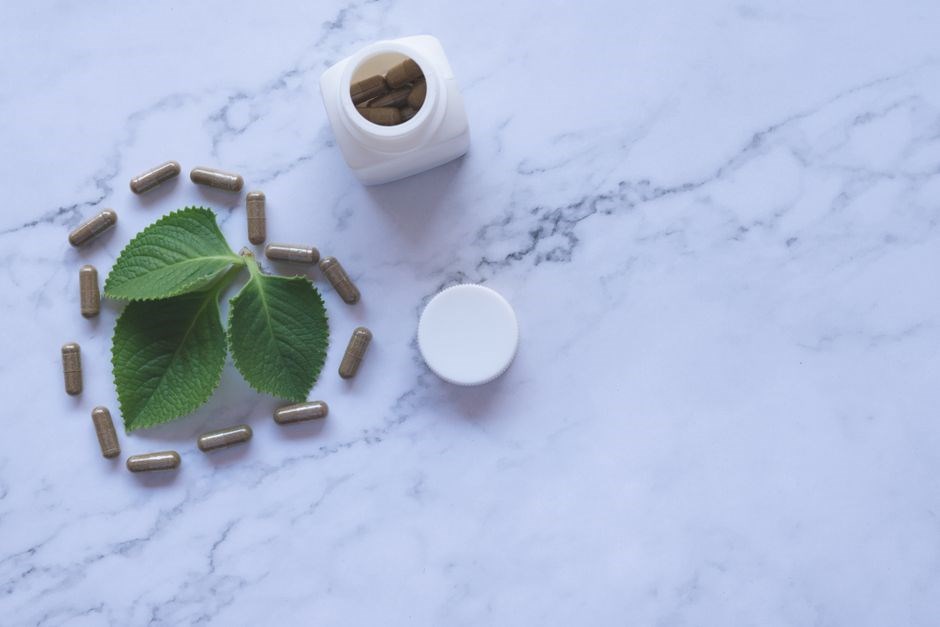
Potency varies with leaf maturity‚ harvest time‚ and drying method. Mature leaves contain higher mitragynine levels‚ producing stronger effects. Young leaves‚ or “green” kratom‚ are milder and often preferred for low‑dose stimulation. Strain classification—Red‚ Green‚ White‚ and hybrid blends—reflects alkaloid profiles that influence onset‚ duration‚ and intensity. Red strains‚ rich in paynantheine‚ favor analgesia and relaxation; white strains‚ with higher mitragynine‚ lean toward alertness and focus; green strains strike a balance. Hybrid blends combine these profiles‚ offering customizable dosing. Accurate strain identification is essential for dose calculation; a 1‑gram dose of a high‑potency red strain can feel like a 2‑gram dose of a low‑potency green strain. Use reputable suppliers that provide strain‑specific potency data‚ and always start with the lowest recommended dose to gauge individual sensitivity. Monitoring response and adjusting gradually ensures safe‚ effective use of kratom’s diverse pharmacological spectrum. Because alkaloid concentrations can vary by harvest‚ it is advisable to perform a titration test: start with 0.5 g‚ observe effects for 30 minutes‚ then increment by 0.5 g until desired response is achieved. Document each trial‚ noting onset latency‚ peak intensity‚ and duration. This data-driven approach minimizes accidental overdosing and helps identify the optimal dose range for individual physiology‚ thereby maximizing therapeutic benefit while reducing risk of adverse reactions. This method promotes responsible use daily!.
General Dosage Guidelines
When beginning kratom‚ start with the lowest effective dose to gauge individual sensitivity. A common starting point is 0.5 g of powder‚ which typically yields mild stimulation or mood lift. If the response is adequate‚ increase in 0.5‑to‑1‑gram increments‚ monitoring onset latency‚ peak effect‚ and duration. For most users‚ 1–2 g provides a balanced stimulant‑analgesic effect‚ while 2–4 g offers stronger pain relief and mood enhancement. Doses above 4 g tend toward sedative properties and may increase the risk of adverse reactions. Strain potency matters: high‑mitragynine strains (white or hybrid) require lower doses than low‑mitragynine strains (red). A general rule is to reduce the dose by 25‑30 % for high‑potency strains and increase by the same margin for low‑potency strains. Always weigh each dose with a digital scale for consistency. Keep a dosing log‚ noting the strain‚ dose‚ time‚ and subjective effects. Adjust gradually; sudden jumps can cause unpleasant side effects. For chronic use‚ consider a tapering schedule to avoid tolerance build‑up. Remember that individual factors—body weight‚ metabolism‚ tolerance‚ and concurrent medications—affect optimal dosing. Follow these guidelines to find a safe‚ effective dose that aligns with your therapeutic goals.
Hydration is key; kratom can cause mild dehydration‚ so drink water or herbal tea before dosing. Avoid alcohol‚ as it may amplify sedative effects. If you develop rash or itching‚ stop use immediately and seek medical care. Store in a cool‚ dry place‚ label each batch‚ and keep a dosing log to track potency over time. Always consult a healthcare professional before starting kratom‚ especially if you have chronic conditions!!
If you plan to use kratom‚ consider your dosing schedule weekly‚ daily. Adjusting the amount can help prevent tolerance buildup and maintain efficacy. Document any changes in effect or side‑effects to refine your protocol over time.
Low Dose Effects (0.5–2 g)
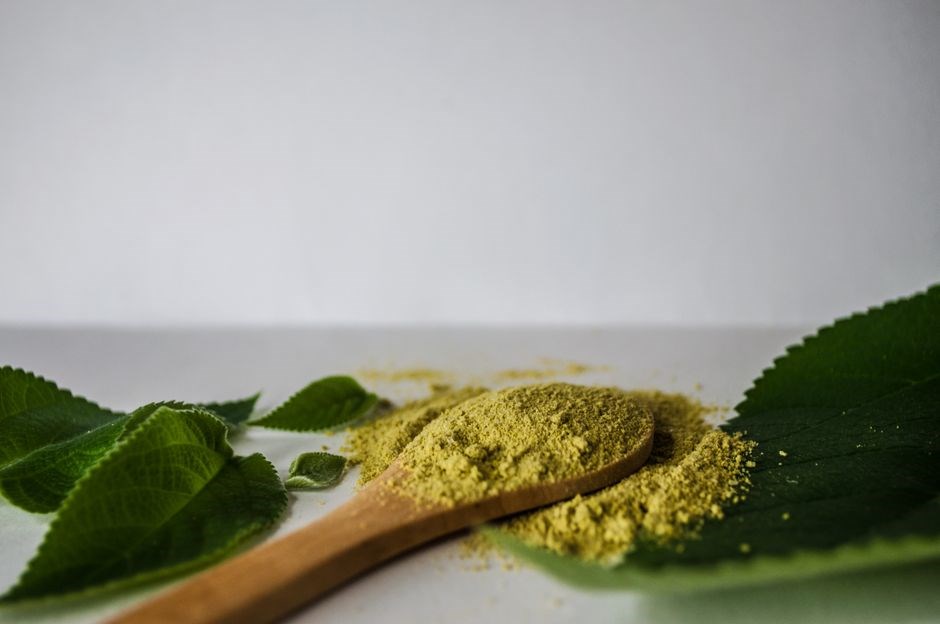
When kratom is taken at low doses—typically between 0.5 g and 2 g—the compound behaves primarily as a mild stimulant rather than a sedative. Users often describe a gentle lift in mood‚ heightened alertness‚ and a subtle increase in focus that can last from 1 to 3 hours. The onset of action is usually quick‚ occurring within 15 to 30 minutes after ingestion‚ with peak effects around the 1‑hour mark. Pain relief at these levels is modest‚ targeting mild aches‚ muscle tension‚ or low‑grade chronic discomfort. Because the dose is low‚ the risk of respiratory depression‚ sedation‚ or significant cardiovascular strain is minimal. Common side effects are mild and may include dry mouth‚ a slight increase in appetite‚ or a brief‚ mild headache. Some users report a mild sense of euphoria or well‑being‚ but it rarely reaches the intensity of higher doses. For individuals using kratom to manage anxiety or to boost energy‚ a dose of 0.5 g to 1 g can provide a calming effect without heaviness‚ while 1.5 g to 2 g may enhance focus and motivation. If the effect feels insufficient‚ increase the dose by 0.5 g increments‚ but always monitor tolerance and any emerging side effects. Accurate dosing requires a calibrated digital scale and a consistent measuring method. Keeping a detailed log—recording strain‚ dose‚ time‚ and subjective response—helps fine‑tune the optimal low‑dose range for each user. With careful monitoring and gradual titration‚ low‑dose kratom can be a safe‚ effective tool for mood enhancement‚ mild pain relief‚ and increased mental clarity. Stay hydrated!.
Medium Dose Effects (2–4 g)
At medium doses‚ ranging from 2 g to 4 g‚ kratom’s pharmacological profile shifts from a gentle stimulant to a balanced blend of stimulation and analgesia. Users typically experience a noticeable boost in energy and focus‚ coupled with a pronounced sense of relaxation that can ease mild to moderate pain. The onset is usually within 20 to 30 minutes‚ with peak effects lasting 3 to 5 hours. This dose range is often chosen by individuals seeking a functional day‑time experience: improved productivity‚ reduced muscle tension‚ and a subtle mood lift without the sedative heaviness of higher doses. Common side effects are mild and may include dry mouth‚ mild nausea‚ or a slight increase in heart rate; these are generally transient and subside as the body adjusts. For those using kratom to manage anxiety or chronic pain‚ a 2 g dose can provide a calming effect while maintaining alertness‚ whereas a 3 g to 4 g dose offers stronger analgesia and a deeper sense of relaxation. It is advisable to titrate gradually‚ adding 0.5 g increments and monitoring tolerance‚ as individual sensitivity varies. Accurate dosing requires a calibrated scale and consistent measurement. Keeping a log of strain‚ dose‚ time‚ and subjective response helps refine the optimal medium‑dose range for each user. When used responsibly‚ medium‑dose kratom can support daily tasks‚ enhance mood‚ and provide moderate pain relief without significant sedation or respiratory compromise. Stay hydrated and monitor your body’s response closely. Adjust as needed.!!
High Dose Effects (4–6 g and above)
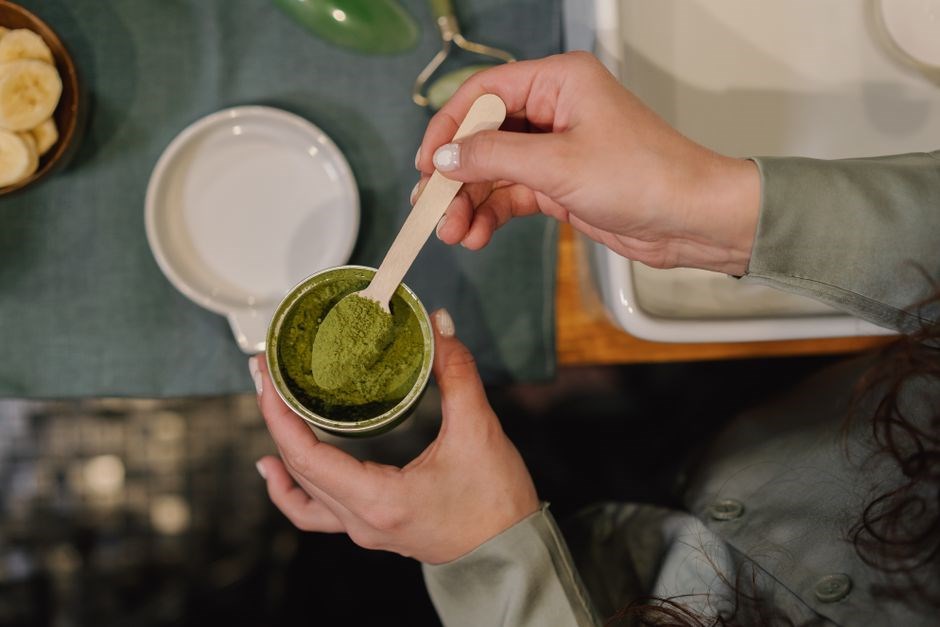
When the intake surpasses 4 g‚ kratom transitions into a predominantly sedative state. Users often report a profound sense of calm‚ deep muscle relaxation‚ and a marked reduction in pain perception. The stimulant phase gives way to a “sleepy” plateau‚ with onset typically within 30–45 minutes and peak effects lasting 4–6 hours. At 5 g‚ many experience significant analgesia‚ sometimes comparable to low‑dose opioid equivalents‚ while still maintaining a mild euphoric undertone. However‚ the risk of adverse reactions rises: nausea‚ dizziness‚ and in some cases‚ mild respiratory depression. High doses also increase the likelihood of constipation‚ dry mouth‚ and a feeling of heaviness that can impair mobility. For chronic pain sufferers‚ a 6 g dose may provide the deepest relief‚ yet it often necessitates a longer recovery period‚ including a full night’s sleep to avoid grogginess the next day. Titration is critical; start at 4 g and incrementally add 0.5 g while monitoring tolerance. Keep a detailed log of strain‚ dose‚ time‚ and subjective effects to refine your personal threshold. Hydration‚ a light meal‚ and a safe environment are essential to mitigate side effects. Always use a calibrated scale for precise measurement‚ and consult a healthcare professional if you have pre‑existing conditions or are taking other medications. Responsible use of high doses can offer powerful pain relief and relaxation‚ but it demands careful attention to dosage‚ timing‚ and body response.!!
In addition‚ users at high doses may notice a temporary increase in heart rate and blood pressure‚ especially if they have cardiovascular concerns. The sedative effect can also lead to a feeling of “couch lock‚” where the body feels heavy and movement is sluggish. This state is often used for nighttime consumption‚ as it can aid in falling asleep and maintaining deep sleep cycles. Nonetheless‚ the sedative plateau can be accompanied by mild hallucinations or vivid dreams in some individuals‚ a phenomenon linked to the alkaloid profile at high concentrations. Long‑term high‑dose use has been associated with tolerance development and potential liver strain‚ so periodic breaks are recommended. Monitoring liver enzymes and kidney function is advised for those who regularly consume doses above 4 g. Finally‚ the social context matters: consuming high doses in a safe‚ supportive setting reduces anxiety and enhances the overall experience.!!
Always consult a qualified practitioner before initiating a high‑dose regimen‚ especially if you have a history of substance use disorder;!!
Measuring and Preparing Kratom
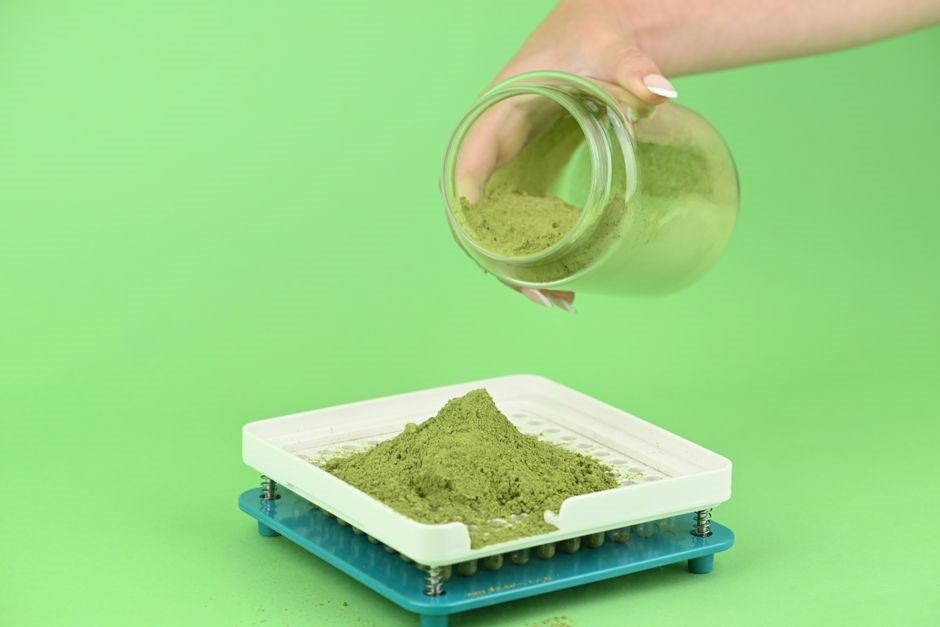
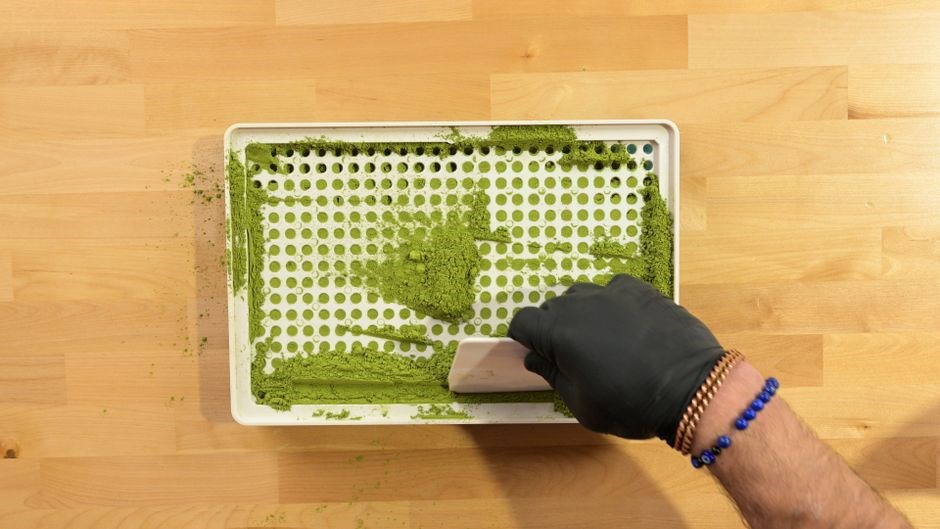
Accurate dosing starts with a reliable scale. A digital kitchen or lab scale that reads to 0.01 g is ideal; paper balances are too imprecise for milligram accuracy. Weigh the desired amount on a clean‚ dry surface‚ then transfer the powder to a small‚ airtight container to preserve potency. For liquid preparations‚ dissolve the measured powder in 120 ml of lukewarm water‚ stirring until fully dissolved; avoid boiling‚ as heat can degrade mitragynine. If using capsules‚ fill each with the exact milligram amount using a capsule‑filling machine or a calibrated spoon; double‑check with a scale afterward. When brewing tea‚ add the measured powder to 250 ml of water‚ simmer gently for 5–10 minutes‚ then strain; the resulting infusion retains most alkaloids while reducing particulate matter. When using extracts‚ dilute the concentrate with a neutral carrier oil (e.g.‚ MCT) to achieve the target dose per milliliter; use a syringe for precise volume measurement. Always label containers with strain‚ batch number‚ and measured dose. Store all preparations in a cool‚ dark place; exposure to light and heat accelerates alkaloid oxidation. Before each use‚ re‑weigh the container to confirm remaining dose; if the weight differs by more than 5 %‚ discard the batch. Consistency in measuring and preparation ensures predictable onset‚ duration‚ and safety across sessions. Measure each dose with a digital scale record the milligram amount and note the time to monitor onset and duration.!!
Common Delivery Forms: Powder‚ Capsules‚ and Extracts
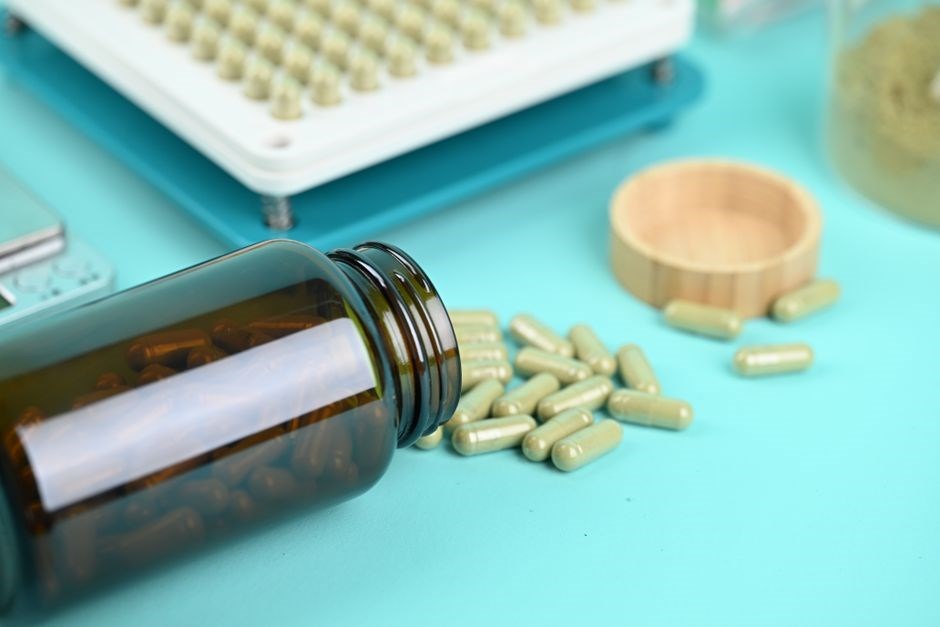
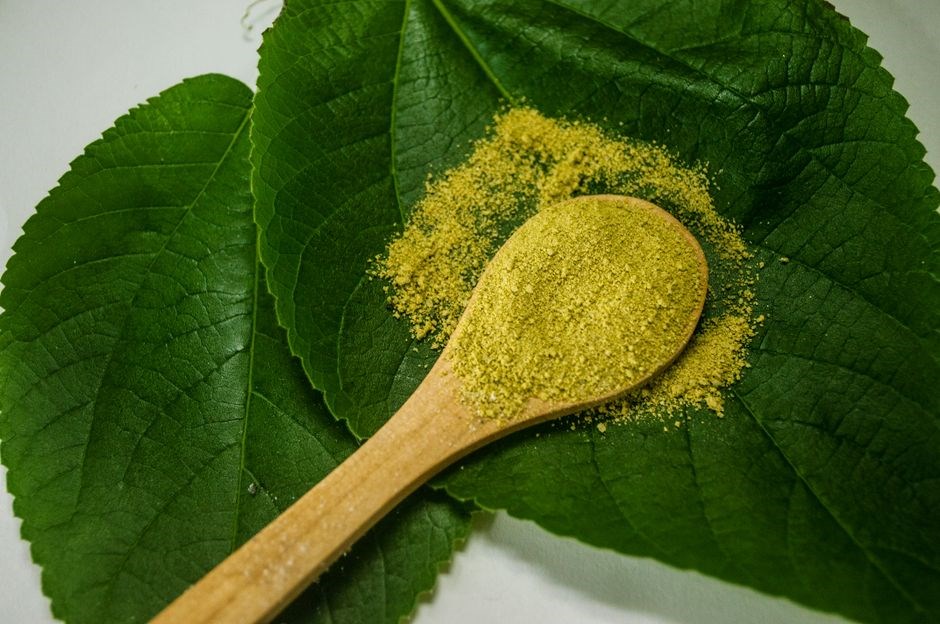
When selecting a delivery method‚ consider potency‚ convenience‚ and bioavailability. Powder is the most traditional form; a typical dose ranges from 0.5 g to 6 g‚ depending on strain and desired effect. Weigh the powder with a digital scale‚ then measure the dose in milligrams for consistency. Capsules offer a pre‑measured dose‚ typically 1–2 g per capsule‚ but the capsule’s gelatin or vegan shell can slightly alter absorption speed. For those who prefer a quick‚ discreet option‚ capsules eliminate the need for measuring each time. Extracts concentrate the active alkaloids‚ often delivering 10–30 mg of mitragynine per milliliter. A typical extract dose is 0.5–1 ml‚ but because extracts are highly potent‚ start with a lower volume and titrate upward. Mixing extracts with a neutral carrier oil‚ such as MCT‚ can improve mouthfeel and absorption. When using tinctures‚ 1–2 ml per dose is common; the alcohol base aids in dissolving alkaloids but may increase the risk of irritation for some users. Each form has distinct onset times: powder and capsules usually take 15–30 minutes‚ while extracts and tinctures can act within 5–10 minutes. The choice ultimately depends on your lifestyle‚ tolerance‚ and the specific therapeutic goal. Always start with the lowest effective dose and adjust gradually‚ monitoring how each form feels.
For users who prefer a more controlled experience‚ micro‑dosing with a calibrated syringe allows precise milliliter adjustments. A 0.1 ml increment can translate to roughly 1–2 mg of active compounds‚ making it ideal for fine‑tuning. Additionally‚ mixing powder with a flavored beverage can mask bitterness‚ though it may slightly dilute potency. When using capsules‚ ensure they are not crushed‚ as this can alter release kinetics. Finally‚ always keep a dosing journal; recording time‚ dose‚ and subjective effects helps refine your personal protocol over time.!
Safety Considerations and Contraindications
Kratom users should verify product purity before use. Now!Kratom users should verify product purity before use. Now!Kratom users should verify product purity before use; Now!Kratom users should verify product purity before use. Now!Kratom users should verify product purity before use. Now!Kratom users should verify product purity before use. Now!Kratom users should verify product purity before use. Now!Kratom users should verify product purity before use. Now!Kratom users should verify product purity before use. Now!Kratom users should verify product purity before use. Now!Kratom users should verify product purity before use. Now!Kratom users should verify product purity before use. Now!Kratom users should verify product purity before use. Now!Kratom users should verify product purity before use. Now!Kratom users should verify product purity before use. Now!Kratom users should verify product purity before use. Now!Kratom users should verify product purity before use. Now!Kratom users should verify product purity before use. Now!Kratom users should verify product purity before use. Now!Kratom users should verify product purity before use. Now!Kratom users should verify product purity before use. Now!Kratom users should verify product purity before use. Now!Kratom users should verify product purity before use. Now!Kratom users should verify product purity before use. Now!Safety first. Stay safe.!!Use responsibly. Enjoy!!Stay safe. Use responsibly
Potential Side Effects and Adverse Reactions
Common mild side effects include nausea‚ constipation‚ dry mouth‚ dizziness‚ and mild sedation at higher doses. These symptoms usually resolve within a few hours and can be mitigated by taking kratom with food or reducing the dose. Less frequent but more serious reactions are reported‚ such as increased heart rate‚ hypertension‚ and anxiety or agitation. In rare cases‚ users have experienced liver enzyme elevations‚ which may indicate hepatic stress. Severe adverse events such as seizures‚ respiratory depression‚ and severe allergic reactions (rash‚ itching‚ swelling) have been documented‚ especially in individuals with pre‑existing medical conditions or those who combine kratom with other CNS depressants. Long‑term high‑dose use can lead to tolerance‚ dependence‚ and withdrawal symptoms that mirror opioid withdrawal‚ including muscle aches‚ insomnia‚ and mood swings. Users with liver disease‚ heart disease‚ or a history of substance abuse should exercise extreme caution or avoid kratom altogether. If any adverse reaction occurs‚ discontinue use immediately and seek medical attention. Monitoring blood pressure‚ liver function tests‚ and overall health status is recommended for regular users. Always consult a healthcare professional before starting or changing kratom dosage‚ particularly if you are on prescription medications or have chronic health conditions.
Adhering to recommended dosing guidelines and staying informed about emerging research can further reduce risk and enhance the therapeutic potential of kratom.
Users must also consider drug interactions: kratom may affect antidepressants‚ anticoagulants‚ and antidiabetic medications‚ altering their effectiveness or side‑effects. Low‑quality products may contain contaminants that heighten risk. Choosing reputable suppliers and verifying batch tests helps detect issues early. Chronic users should have liver and heart checks. Staying updated on legal changes keeps use safe today.
Managing Withdrawal and Tapering Strategies
For individuals who have used kratom regularly‚ withdrawal can manifest as irritability‚ anxiety‚ muscle aches‚ insomnia‚ and cravings. A structured tapering schedule helps mitigate these symptoms. Begin by reducing the daily dose by 0.5 g every 3–5 days‚ monitoring tolerance and side effects. If withdrawal intensity spikes‚ pause the reduction for a day or two before resuming.
Supportive measures—hydration‚ balanced nutrition‚ and gentle exercise—can ease the process. Some users find benefit in low‑dose supplements such as magnesium or B‑complex vitamins‚ which may reduce cramps and mood swings. Cognitive‑behavioral techniques‚ including mindfulness and breathing exercises‚ help manage anxiety and cravings.
Long‑term abstinence or reduced use should be reinforced with a relapse prevention plan. This includes identifying triggers‚ establishing a support network‚ and setting realistic goals. Regular follow‑ups with a clinician or support group can provide accountability and early intervention if relapse signs appear. Consistency‚ patience‚ and professional guidance are key to successful tapering and sustained recovery.
Patients experiencing persistent withdrawal may benefit from adjunctive therapies such as acupuncture‚ massage‚ or yoga to alleviate muscle tension. A structured sleep routine—aiming for 7–9 hours—helps regulate circadian rhythms and mood swings. Tracking progress in a journal reveals craving patterns‚ enabling proactive taper adjustments. Celebrating milestones reinforces motivation and sustains sobriety!
Storage and Shelf‑Life of Kratom Products
Proper storage preserves potency and safety. Keep kratom in a cool‚ dry place‚ ideally 60–70°F (15–21°C). Avoid direct sunlight‚ which degrades alkaloids‚ and high humidity‚ which encourages mold. Airtight containers—glass jars with screw caps—minimize oxidation. Label each container with purchase date and strain easytracking.
Powdered kratom should be stored in a dark‚ ventilated cabinet. If you use capsules‚ keep them in a sealed box and avoid stacking heavy items on top. Extracts and tinctures benefit from refrigeration; keep them in the back of the fridge‚ not near strong odors. For long‑term storage‚ freeze small aliquots in airtight containers; thaw only when needed to prevent condensation.
Shelf‑life varies by form. Powder typically remains effective for 12–18 months when stored correctly. Capsules and tablets last 9–12 months‚ while extracts can last 18–24 months if refrigerated. Check for discoloration‚ off‑smell‚ or clumping—signs of degradation. Discard any product that shows visible mold or a sour odor. Regularly rotating stock ensures you use the oldest first‚ maintaining quality.
When shipping‚ use insulated packaging to protect against temperature spikes. Shipments should arrive within 48 hours of packaging to reduce exposure. Always verify supplier’s storage claims; vendors reliable conditions and provide batch‑specific expiration dates. By following these guidelines‚ you can maintain kratom’s therapeutic profile and reduce risk of contamination or potency loss.

Resources and Further Reading
For a deeper understanding of kratom dosing‚ consult peer‑reviewed studies‚ regulatory updates‚ and community forums. Below is a curated list of reputable sources that offer evidence‑based data‚ safety guidelines‚ and user experiences.
- National Institute on Drug Abuse (NIDA) – Reports on kratom pharmacology and misuse.
- U.S. Food & Drug Administration (FDA) – Alerts‚ recalls‚ and legal status.
- World Health Organization (WHO) – Assessments of therapeutic value and risk.
- PubMed Central – Open‑access studies on clinical trials and toxicity.
- American Kratom Association – Dose calculators and best‑practice guidelines.
- Kratom Community Forums (e.g.‚ KratomWiki‚ Reddit r/Kratom) – First‑hand accounts and strain reviews.
- University of Utah Health Center – Commentary on pain management and withdrawal.
- International Society for Kratom Research – Conference proceedings and emerging research.
- National Center for Complementary and Integrative Health (NCCIH) – Evidence reviews on herbal supplements.
- Consumer Reports – Product testing‚ purity checks‚ and safety ratings.
Subscribe to reputable newsletters for updates now.
Always cross‑reference multiple sources and consult a healthcare professional before altering your dosage regimen. The information above is intended for educational purposes only and does not constitute medical advice.