Nesters Microbiology: A Human Perspective ⏤ Article Plan
Nesters Microbiology explores microbial life‚ focusing on human health implications; a comprehensive PDF resource details applications‚ diagnostics‚ and emerging research trends․
Nesters Microbiology: A Human Perspective delves into the fascinating world of microorganisms and their profound impact on human life․ This field transcends traditional microbiology‚ emphasizing the intricate relationships between microbes and the human host․ A core tenet is understanding microbial communities – complex ecosystems within and upon our bodies – and how their composition influences health and disease․
The study extends beyond identifying pathogens; it investigates the beneficial roles microbes play in immunity‚ digestion‚ and overall well-being․ Accessing a comprehensive PDF resource on this topic provides a structured learning path‚ detailing fundamental principles and cutting-edge research․ This introductory exploration sets the stage for understanding the dynamic interplay between humans and the microbial world‚ paving the way for innovative diagnostic and therapeutic strategies․

Historical Context of Nesters Microbiology
The roots of Nesters Microbiology‚ as a distinct human-focused discipline‚ lie in the gradual shift from solely identifying pathogenic microbes to appreciating the vast‚ complex microbial ecosystems within us․ Early microbiology‚ pioneered by figures like Pasteur and Koch‚ primarily focused on disease causation․ However‚ advancements in molecular biology and genomic sequencing revealed the incredible diversity of microbial life and its integral role in human physiology․
A detailed PDF resource charting this history highlights the evolution from germ theory to the current understanding of the microbiome․ This progression involved recognizing the symbiotic relationships between humans and microbes‚ and the impact of environmental factors․ Understanding this historical context is crucial for appreciating the current research landscape and future directions within the field‚ emphasizing a holistic view of human health․
Core Principles of Nesters Microbiology
Nesters Microbiology centers on the premise that humans aren’t isolated entities‚ but rather complex ecosystems harboring trillions of microbes․ Key principles include recognizing microbial communities as dynamic‚ interconnected systems‚ and understanding the intricate host-microbe interactions shaping health and disease․ A comprehensive PDF guide details these concepts․
Central to this field is acknowledging the influence of genetics‚ diet‚ and environment on microbial composition․ Furthermore‚ it emphasizes the importance of studying microbial function‚ not just presence․ This holistic approach moves beyond simply identifying pathogens‚ focusing instead on the collective metabolic activities and signaling pathways of the microbiome․ This perspective is vital for developing targeted interventions․
The Role of Microbial Communities
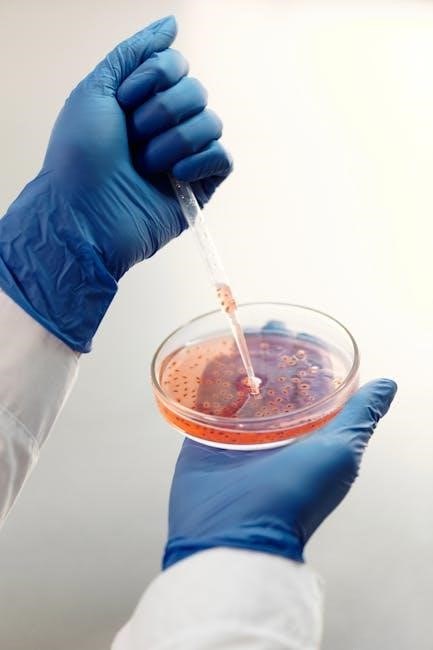
Nesters Microbiology highlights that microbial communities – encompassing bacteria‚ archaea‚ fungi‚ and viruses – aren’t merely collections of individual organisms‚ but function as integrated units․ These communities exhibit emergent properties‚ meaning their collective behavior differs from the sum of their parts․ A detailed PDF resource explores these interactions․
These communities contribute significantly to human physiology‚ aiding in nutrient metabolism‚ vitamin synthesis‚ and immune system development․ Disruptions to community structure‚ termed dysbiosis‚ are linked to various diseases․ Understanding the factors influencing community assembly – including host genetics‚ diet‚ and antibiotic exposure – is crucial․ Studying these complex interactions requires advanced techniques‚ as outlined in the referenced material․
Host-Microbe Interactions
Nesters Microbiology emphasizes the intricate dialogue between the human host and its resident microbes․ These interactions range from mutualism‚ where both parties benefit‚ to commensalism‚ where one benefits without affecting the other‚ and even parasitism‚ where one harms the host․ A comprehensive PDF guide details these relationships․
The host provides a habitat and nutrients‚ while microbes contribute to essential functions like digestion and immune modulation․ However‚ this balance is delicate․ Microbial products can trigger immune responses‚ and host factors influence microbial composition․ Understanding these reciprocal effects is vital for developing targeted therapies․ The referenced material explores how manipulating host-microbe interactions can improve health outcomes and combat disease․
Key Microbial Players in Human Health
Nesters Microbiology highlights the crucial roles microbes play in maintaining human well-being․ These players encompass a vast diversity‚ including bacteria‚ viruses‚ fungi‚ and archaea‚ each contributing uniquely to our physiological processes․ A detailed PDF resource provides an in-depth exploration of these microbial communities․

The human microbiome‚ a complex ecosystem residing within and on our bodies‚ is central to health․ These microbes aid in nutrient absorption‚ vitamin synthesis‚ and protection against pathogens․ However‚ imbalances – dysbiosis – can lead to disease․ Understanding the specific contributions of each microbial group is paramount for developing effective preventative and therapeutic strategies‚ as outlined in the referenced material․
Bacteria and the Human Microbiome
Nesters Microbiology emphasizes the dominant role of bacteria within the human microbiome‚ a complex community influencing numerous aspects of health․ This PDF resource details how bacterial species colonize various body sites – gut‚ skin‚ respiratory tract – establishing symbiotic relationships․
Key bacterial genera‚ like Bacteroides and Firmicutes in the gut‚ impact digestion‚ immunity‚ and even neurological function․ Shifts in bacterial composition‚ often due to diet or antibiotics‚ can disrupt this balance‚ contributing to conditions like inflammatory bowel disease or obesity․ The text explores bacterial metabolic pathways and their influence on host physiology‚ providing a comprehensive understanding of these intricate interactions․
Viruses and Their Impact on Human Cells
Nesters Microbiology thoroughly examines the diverse world of viruses and their profound impact on human cellular processes․ This PDF resource details viral structures‚ replication strategies‚ and mechanisms of pathogenesis․ It explores how viruses hijack host cell machinery to propagate‚ causing a spectrum of diseases‚ from common colds to life-threatening infections;
The text delves into viral-host interactions‚ including innate and adaptive immune responses․ It also covers emerging viral threats and the challenges they pose to public health․ Understanding viral evolution and the development of antiviral therapies are central themes‚ providing a crucial perspective on combating viral diseases and their ongoing impact on human health․
Nesters Microbiology and the Immune System
Nesters Microbiology‚ as detailed in its comprehensive PDF‚ elucidates the intricate relationship between the human immune system and the microbial world․ It explores both innate and adaptive immunity‚ detailing how the body recognizes and responds to microbial invaders․ The text examines the roles of various immune cells – macrophages‚ lymphocytes‚ and antibodies – in defending against pathogens․
Furthermore‚ it investigates immune evasion strategies employed by microbes and the consequences of immune dysregulation‚ such as autoimmune diseases․ The resource highlights how understanding these interactions is crucial for developing effective vaccines and immunotherapies‚ ultimately improving human health and combating infectious diseases․

Diagnostic Techniques in Nesters Microbiology
The Nesters Microbiology PDF resource comprehensively covers a range of diagnostic techniques vital for identifying and characterizing microorganisms․ Traditional culture-based methods‚ including agar plating and staining‚ are detailed alongside their limitations․ A significant portion focuses on modern molecular diagnostic approaches‚ such as Polymerase Chain Reaction (PCR) and DNA sequencing․
These techniques allow for rapid and accurate identification of pathogens‚ even those difficult to culture․ The text explains the principles behind each method‚ their applications in clinical settings‚ and the interpretation of results․ Emphasis is placed on the increasing importance of genomic analysis in understanding microbial diversity and tracking outbreaks․
Culture-Based Methods
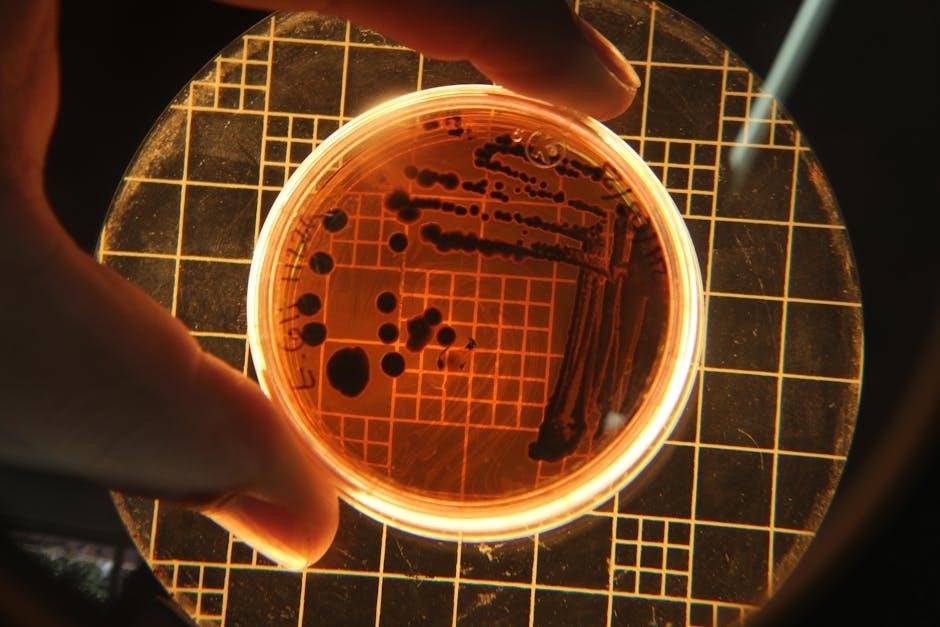
The Nesters Microbiology PDF dedicates substantial coverage to traditional culture-based methods‚ foundational to microbial identification․ Detailed descriptions of various growth media – nutrient‚ selective‚ and differential agars – are provided‚ outlining their specific applications in isolating different microbial species․ Techniques like streak plating for pure cultures and enrichment broths are thoroughly explained․
Furthermore‚ the resource details essential staining procedures‚ including Gram staining‚ acid-fast staining‚ and endospore staining‚ crucial for initial characterization․ While acknowledging limitations regarding slow turnaround times and inability to detect non-culturable organisms‚ the PDF emphasizes their continued relevance‚ particularly in resource-limited settings and for preliminary assessments․
Molecular Diagnostic Approaches (PCR‚ Sequencing)
The Nesters Microbiology PDF extensively covers modern molecular techniques revolutionizing microbial detection․ Polymerase Chain Reaction (PCR) is detailed‚ including variations like real-time PCR for quantification‚ and its application in identifying pathogens directly from clinical samples․ Multiplex PCR‚ enabling simultaneous detection of multiple targets‚ receives focused attention․
Next-generation sequencing (NGS) technologies‚ including whole-genome sequencing and 16S rRNA gene sequencing‚ are presented as powerful tools for comprehensive microbiome analysis and strain typing․ The PDF explains bioinformatics pipelines for data interpretation and emphasizes the increasing role of these methods in outbreak investigations and personalized medicine‚ despite higher costs and complexity․
Clinical Applications of Nesters Microbiology
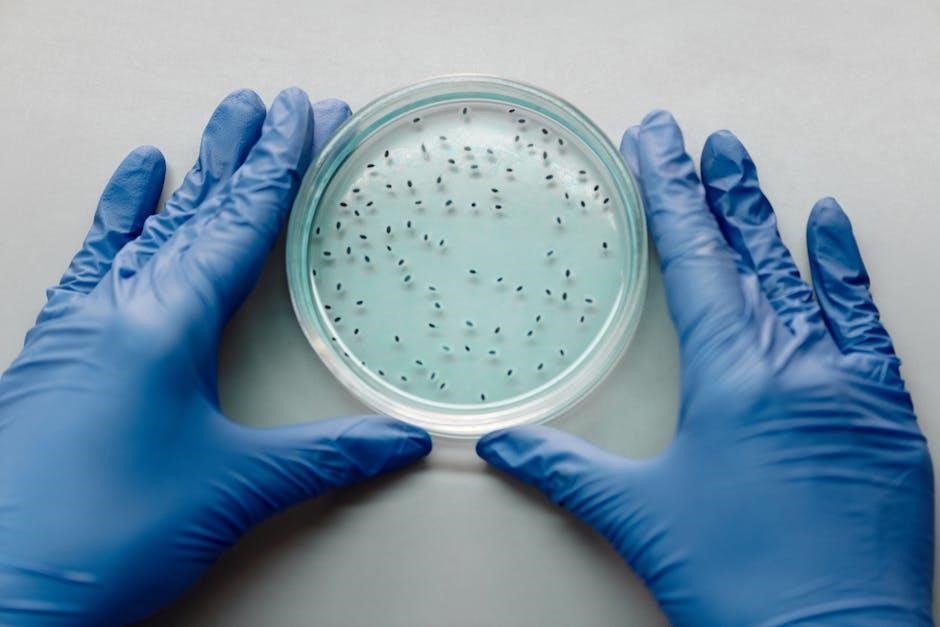
The Nesters Microbiology PDF highlights the crucial role of microbiology in diagnosing and managing infectious diseases․ It details applications in identifying causative agents of common infections – respiratory‚ urinary tract‚ skin‚ and bloodstream – utilizing both traditional and molecular methods․ The text emphasizes the importance of antimicrobial susceptibility testing to guide appropriate therapy․
Furthermore‚ the PDF explores the clinical relevance of understanding the human microbiome in health and disease․ It discusses applications in areas like fecal microbiota transplantation for recurrent Clostridium difficile infection‚ and the potential for microbiome-targeted therapies․ Diagnostic workflows and interpretation of results are thoroughly explained‚ bridging theory and practical clinical practice․
Emerging Trends in Nesters Microbiology Research
The Nesters Microbiology PDF showcases cutting-edge research areas transforming the field․ Metagenomics‚ allowing for culture-independent analysis of microbial communities‚ is a key focus‚ alongside advancements in single-cell microbiology revealing microbial diversity․ Research into bacteriophages as potential alternatives to antibiotics is thoroughly discussed‚ offering solutions to antibiotic resistance․
Furthermore‚ the PDF details the growing understanding of microbial contributions to chronic diseases like autoimmune disorders and cancer․ Synthetic ecology‚ designing and building artificial microbial communities‚ is presented as a promising avenue for therapeutic interventions․ The document emphasizes the integration of ‘omics’ technologies – genomics‚ transcriptomics‚ proteomics – for a holistic view of microbial systems․
The Gut Microbiome and Human Health
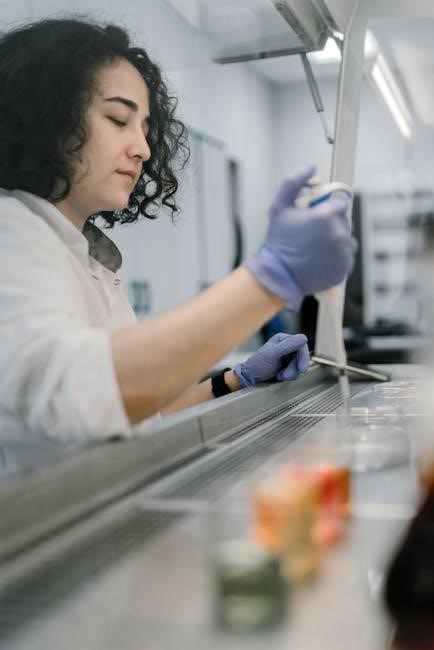
The Nesters Microbiology PDF dedicates significant attention to the gut microbiome’s profound impact on human physiology․ It details how microbial composition influences digestion‚ nutrient absorption‚ and immune system development․ The document explores the gut-brain axis‚ highlighting bidirectional communication affecting neurological function and mental health․
Dysbiosis‚ an imbalance in gut microbial communities‚ is linked to various conditions‚ including inflammatory bowel disease‚ obesity‚ and type 2 diabetes‚ as outlined in the PDF․ Fecal microbiota transplantation (FMT) emerges as a potential therapeutic strategy for restoring gut health․ Personalized nutrition‚ tailoring dietary interventions to individual microbiome profiles‚ is also discussed as a future direction․
Nesters Microbiology in Infectious Disease
The Nesters Microbiology PDF extensively covers the role of microbes in infectious disease pathogenesis․ It details bacterial‚ viral‚ and fungal mechanisms of infection‚ emphasizing host-pathogen interactions․ Diagnostic techniques‚ including culture-based methods and molecular approaches like PCR‚ are thoroughly explained‚ mirroring content within the resource․
The PDF explores emerging infectious diseases and the challenges they pose to public health․ It addresses the critical issue of antibiotic resistance‚ detailing mechanisms of resistance development and strategies for combating it․ Furthermore‚ the document examines the interplay between the microbiome and susceptibility to infection‚ offering a holistic perspective on infectious disease management․
Antibiotic Resistance and Nesters Microbiology
The Nesters Microbiology PDF dedicates significant attention to the escalating crisis of antibiotic resistance․ It details the genetic mechanisms driving resistance – mutation‚ horizontal gene transfer‚ and selection pressure – impacting various bacterial species․ The resource explores how microbial communities contribute to resistance spread‚ emphasizing the role of biofilms and mobile genetic elements․
Furthermore‚ the PDF analyzes the clinical implications of resistance‚ including treatment failures and increased healthcare costs․ It discusses strategies to mitigate resistance‚ such as antibiotic stewardship programs and the development of novel antimicrobial agents․ The document also highlights the importance of diagnostic testing to guide appropriate antibiotic use‚ offering a comprehensive overview of this critical challenge․
Future Directions and Challenges
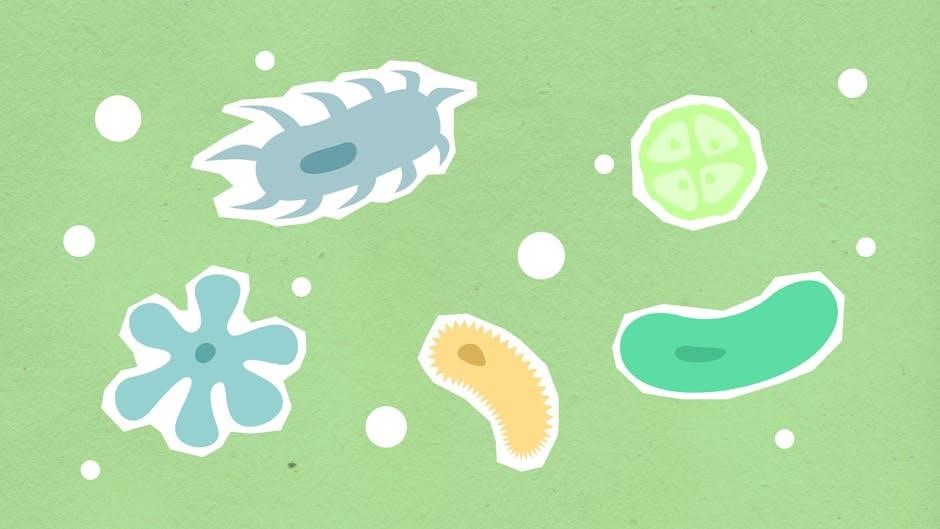
The Nesters Microbiology PDF outlines exciting future research avenues‚ including advanced metagenomics and single-cell microbiology‚ to better understand complex microbial ecosystems․ It emphasizes the need for improved host-microbe interaction studies‚ utilizing systems biology approaches for a holistic view․ A key challenge identified is developing personalized microbiome-based therapies‚ requiring robust clinical trials and ethical considerations․
The PDF also addresses the difficulty of translating laboratory findings into effective clinical applications․ Overcoming these hurdles necessitates interdisciplinary collaboration and innovative technologies․ Furthermore‚ the document stresses the importance of addressing antibiotic resistance through novel strategies and global surveillance efforts‚ ensuring continued progress in this dynamic field․
Ethical Considerations in Nesters Microbiology Research
The Nesters Microbiology PDF highlights crucial ethical considerations surrounding microbiome research‚ particularly concerning data privacy and informed consent when analyzing human samples․ It emphasizes responsible data sharing practices‚ ensuring anonymity and preventing potential misuse of genetic information․ The document addresses the ethical implications of manipulating the microbiome‚ advocating for careful risk assessment and long-term monitoring of interventions․
Furthermore‚ the PDF stresses the need for equitable access to microbiome-based therapies‚ avoiding disparities in healthcare․ It calls for transparency in research funding and potential conflicts of interest‚ maintaining public trust․ Addressing these ethical challenges is paramount for responsible innovation in this rapidly evolving field․
Resources for Further Learning (PDF Focus)
The core Nesters Microbiology: A Human Perspective PDF serves as a foundational resource‚ complemented by supplementary materials available online․ Additional PDF documents detail specific microbial species and their roles in human health‚ offering in-depth analyses of bacterial‚ viral‚ and fungal interactions․ Online databases‚ linked within the primary PDF‚ provide access to genomic data and research articles․

Furthermore‚ the resource directs users to relevant scientific journals and professional organizations focused on microbiology and immunology․ Interactive tutorials and case studies‚ often available as downloadable PDFs‚ enhance understanding․ These resources collectively support a comprehensive exploration of the field‚ fostering continued learning and research․
Understanding Nesters Microbiology: A Human Perspective‚ particularly through detailed resources like the comprehensive PDF guide‚ emphasizes the interconnectedness of microbial life and human well-being․ A holistic approach acknowledges the microbiome’s crucial role in immunity‚ disease‚ and overall health․ This perspective moves beyond simply identifying pathogens to appreciating the complex interactions within microbial communities․
Effective diagnostics and treatments require considering the entire microbial ecosystem‚ not just individual organisms․ Future research‚ guided by resources within the PDF‚ must prioritize understanding these intricate relationships․ Ultimately‚ a holistic view is essential for developing innovative strategies to promote human health and combat emerging infectious diseases․